Published
21.04.2026
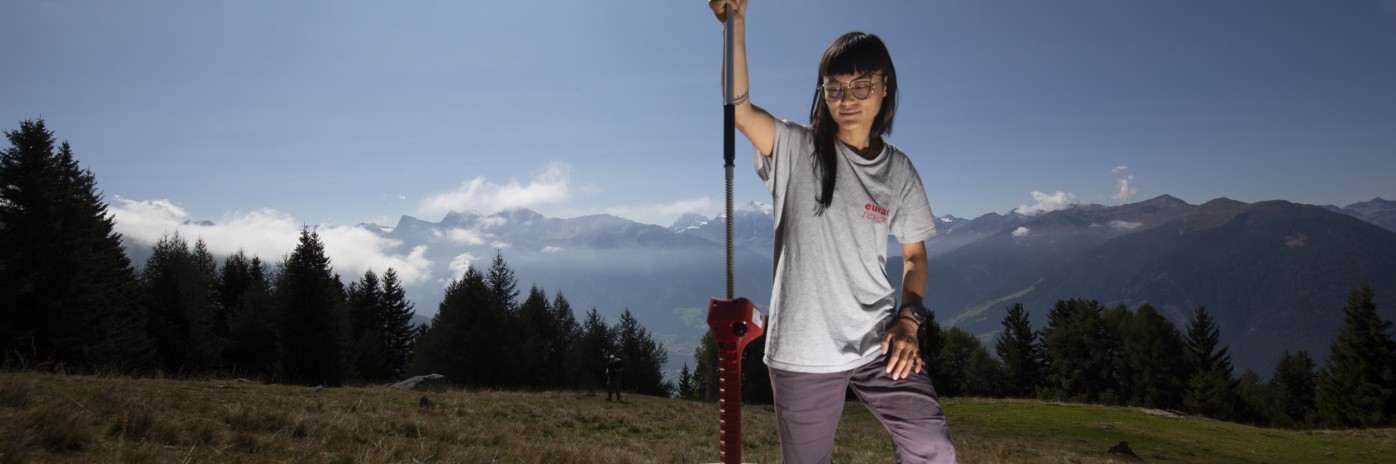
It is not just a question of temperature: in alpine meadows, climate change can alter the relationships between the vital functions of plants. And, if these relationships weaken, the entire ecosystem risks becoming more fragile. This is where GRASSROOTS began: a project supported by Fusion Grant that has seen Eurac Research collaborate with Piano Green, a start-up that arose from the partnership between Gruppo FOS and Santagata 1907 and is dedicated to smart agriculture solutions, with the aim of making South Tyrolean pastures more resilient.
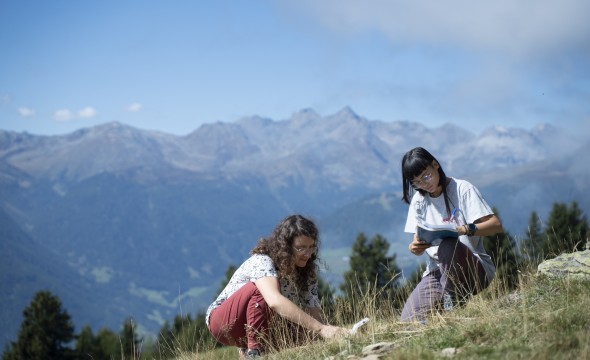
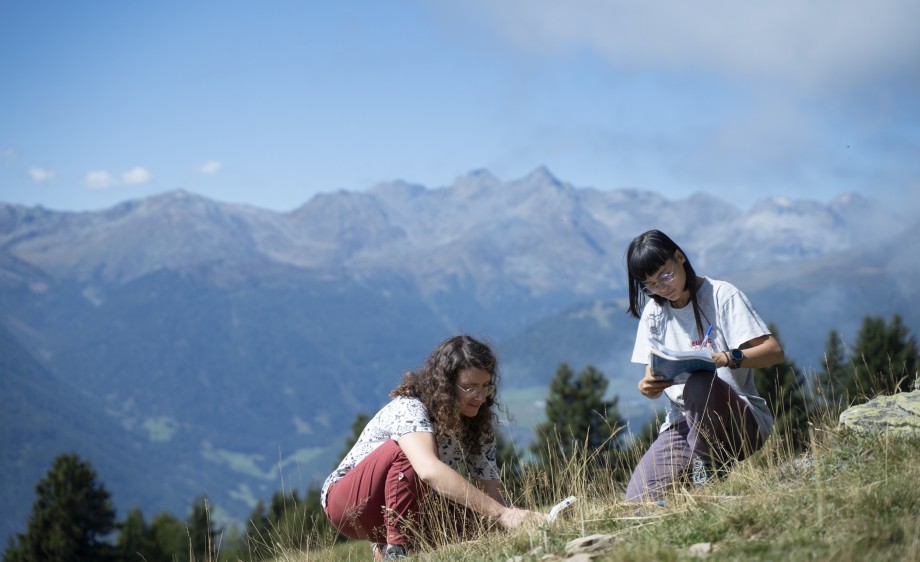
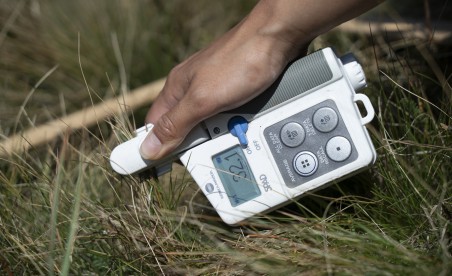
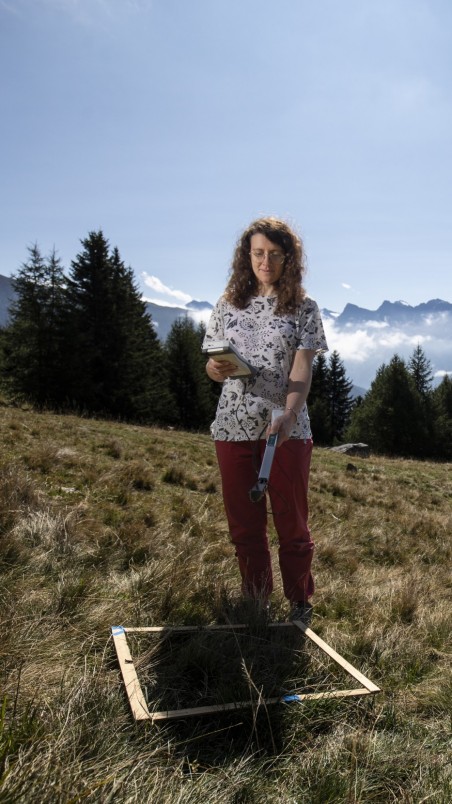
The research focused on the Val di Mazia, at altitudes of between 1,500 and 2,300 metres, where 19 functional aspects of the plants there were recorded and analysed as nodes in a network: from biomass to chlorophyll, from water retention to spectral indices linked to vegetative health. Moreover, thanks to a collaborative effort with the Provincial Consortium for the Protection of Crops against Adverse Weather Conditions, as well as two local farmers, GRASSROOTS also collected data from four farmed meadows in the provinces of Bolzano and Trento, permitting a comparison to be made between managed systems and natural meadows.
It emerged that, as temperatures drop, the network loses density and cohesion, thus making the meadow less resilient. In ecological terms, this means that the plant’s functions – growth, light absorption, water management – operate in a less coordinated manner. “Climate change does not just affect temperature: it alters the relationships between the vital functions of plants”, explains researcher Elsa Andres, 29, a post-doc at Eurac Research’s terraXcube, hired to work on the Fusion Grant project. With a bachelor’s degree in Theoretical Physics, a master’s degree in Complex Systems and a Ph.D. in Network and Data Science from the Central European University in Vienna, Elsa Andres came to Bolzano thanks to the initiative Fusion Grant, which aims to support post-doctoral researchers under the age of 40.
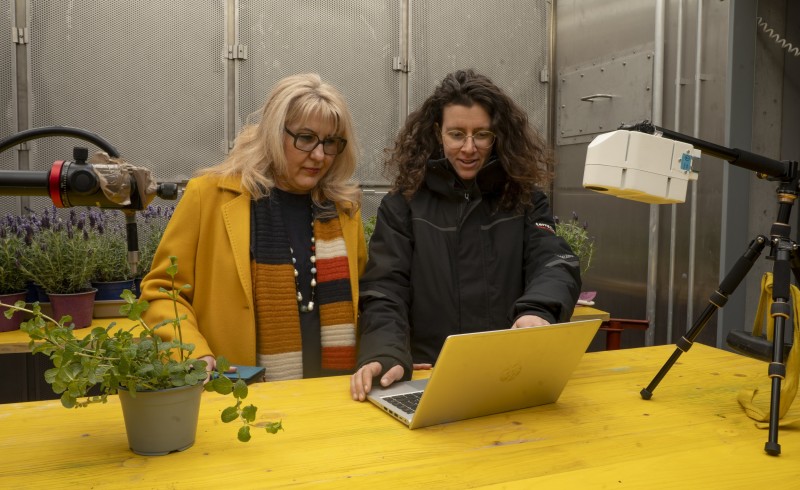
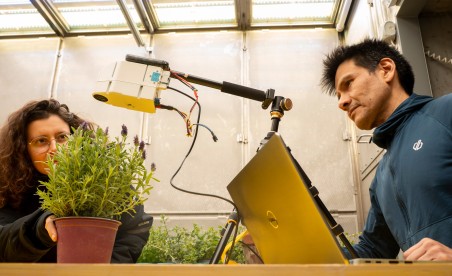
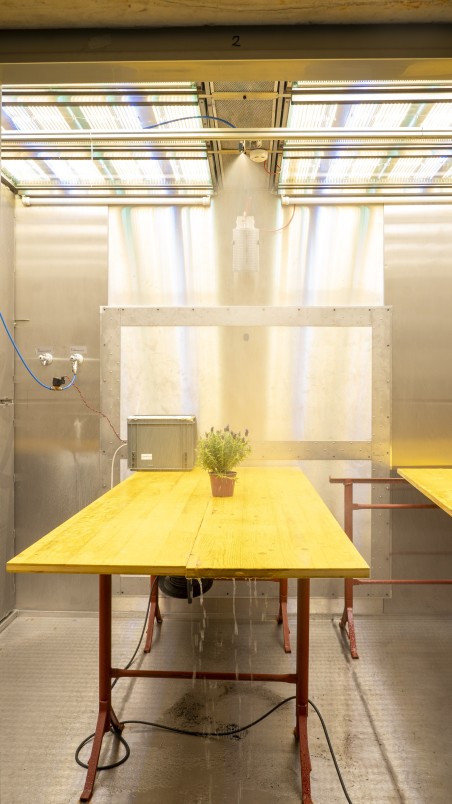
The second part of GRASSROOTS focused on extreme weather events. Heavy rain and storms can alter the physiological state of plants even when they appear healthy. To study the effects of bad weather, the team used the Piano Green “Microcosmo”, an advanced climate chamber in which temperature, light and humidity are artificially controlled. Through morphological analysis of the plants and spectroscopic techniques, carried out before and after simulated rainfall events, it was possible to identify those species least affected by sudden stress. “It’s a way of translating laboratory data into practical recommendations for those working in the field”, the researcher explains. The findings will in fact enable farmers to choose more resilient species, plan mowing cycles more effectively and adapt pasture management to an increasingly unstable climate.
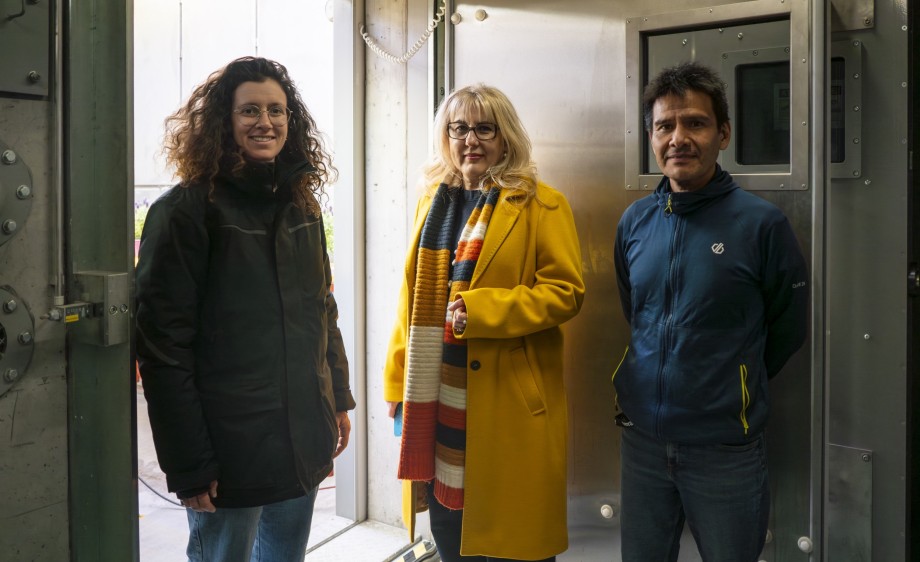
The collaboration model promoted by Fusion Grant has been crucial. “This project has given me not only a professional opportunity, but also the chance to apply theoretical tools to real-world problems”, as Elsa Andres comments. Eurac Research project manager Abraham Mejia-Aguilar adds: “Working with Piano Green and NOI Techpark has been an example of how the integration of research and business can accelerate applied innovation, delivering concrete results in the field”. The results obtained, which were also presented internationally at the IEEE SmartAgri&Susy 2025 conference, now pave the way for further developments.
This is one out of ten projects of the third edition of Fusion Grant – an initiative of the Stiftung Südtiroler Sparkasse / Fondazione Cassa di Risparmio die Bolzano in cooperation with NOI Techpark, Südtiroler Wirtschaftsring / Economia Alto Adige and Wirtschaftsnetz / Rete Economia. It specifically promotes collaboration between South Tyrolean companies and research institutes – and gives young researchers under the age of 40 the opportunity to get involved in practical projects.