Published
17.01.2024
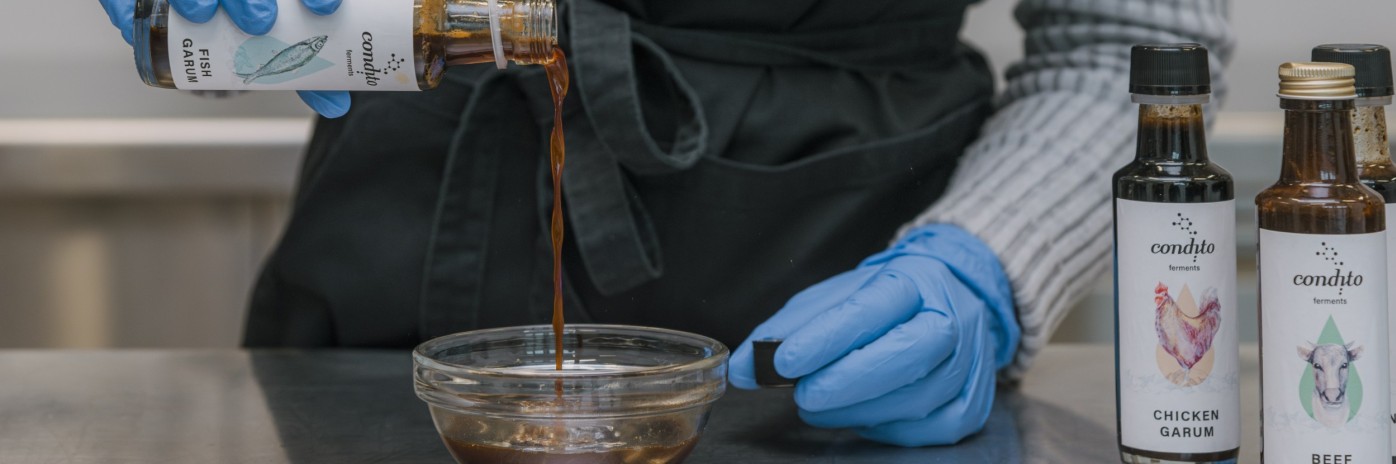
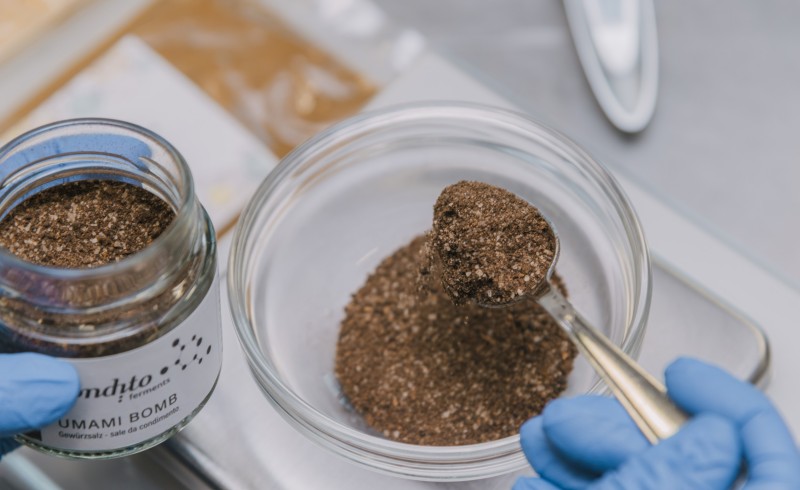
This story begins with an event that shook just about everyone: the pandemic. Peter Sölva’s company was one of the first to be affected by the impact of COVID-19. In 2019, the Bolzano-based chef had taken over the renowned cooking studio Condito (and its catering arm) from Luis Agostini. Not long after, lockdown hit, and the events market collapsed completely. Rather than giving up, Sölva and his staff reinvented themselves. Making the most of the standstill, they developed the new product line Condito Ferments, with a range of food products including garum, miso, shoyu, vinegar, and fermented meats and vegetables.
“I’ve always been fascinated by fermentation,” states Sölva. “Mainly because it can help chefs solve the huge problem of what we can do with leftovers.” Whether it’s Parmesan, South Tyrolean dry-cured ham, meat, or local rye bread, this kind of “waste” can be used to create new, high-quality products instead of ending up in the bin. Sölva and his team have proven this. For their unpasteurised condiments and sauces, they drew inspiration not only from the ancient Japanese tradition of fermentation, but also from what happens at NOI: with the support from the Food Prototyping and Experience team, garum, miso and shoyu paired with the flavours of beef, dry-cured ham and rye were created in our Kitchen Lab.
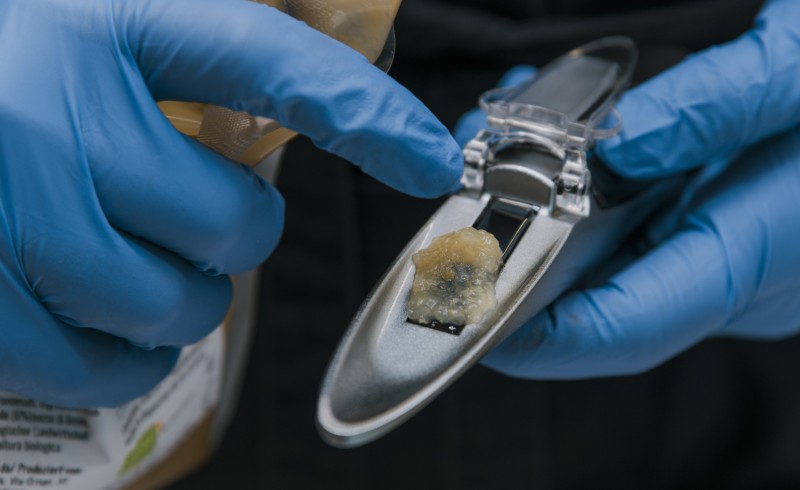
“Without any experience in product development, it was crucial that we could rely on professional guidance,” explains Sölva. The new products gradually took shape in the workshops, accompanied by prototype development and lab analyses. Support from the Kitchen Lab team and an external food technologist from the NOI network covered everything from optimising the fermentation process and analysing shelf-life to legal matters and connecting with specialist labs, ensuring the product development stages were safe and well-structured. “As a result, we achieved our goal much faster and could be sure that our products comply with all relevant legal regulations,” states Sölva. In addition, the Lab Bonus meant that the cost of Kitchen Lab support remained manageable, even during these economically difficult times.
In 2023, ten different products were approved for sale. The restaurant business has also bounced back, and the entrepreneur reveals that new projects will be launched soon. “Condito Ferments can be purchased through our website and selected stores we’ve chosen ourselves,” he explains. After all, ferments like miso are living foods, so they need to be handled and refrigerated properly. This is another reason why Sölva would rather continue with artisan production rather than changing to mass production. “Our priority is to recycle food waste and put it to good use,” he assures. “It's even more fulfilling that this results in delicious, healthy products with a high enzyme, amino acid and protein content.”
Here you can find out more about the Kitchen Lab.