Published
04.08.2026
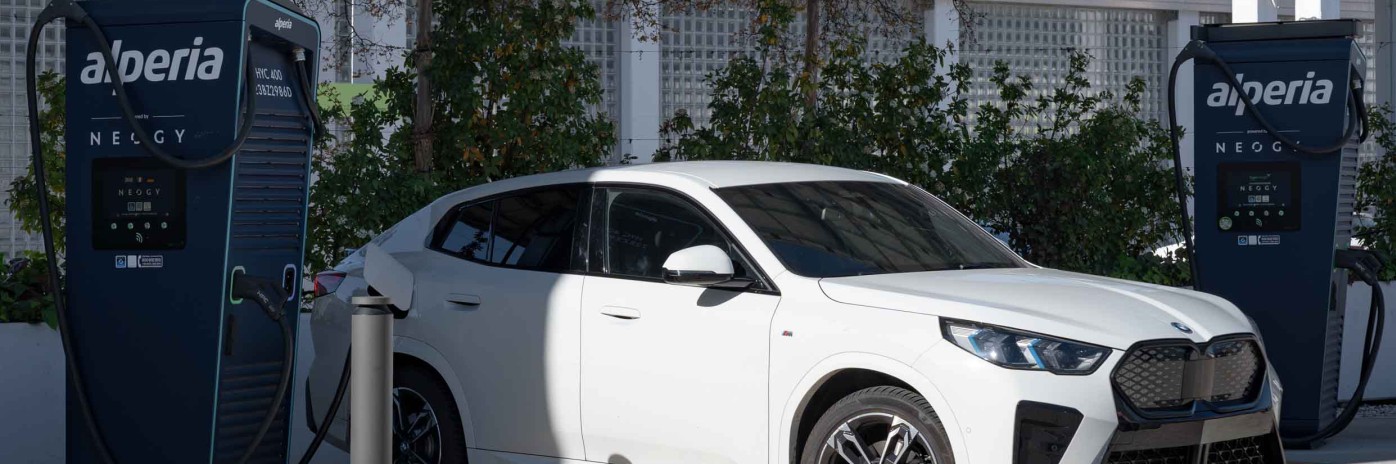
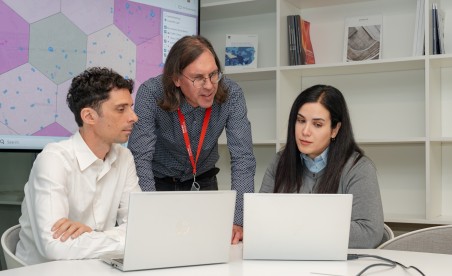
Driving an electric vehicle with no charging station in sight? This scenario highlights a key issue: EV charging infrastructure is often not available where it is actually needed. Up until now, the focus has mainly been on achieving the broadest possible geographical coverage, but infrastructure planning is now set to become far more targeted and data-driven. This is precisely the objective of the Fusion Grant project AIchargeMAP, which aims to optimise the planning of electric vehicle (EV) charging infrastructure across South Tyrol by means of artificial intelligence.
Addressing key challenges
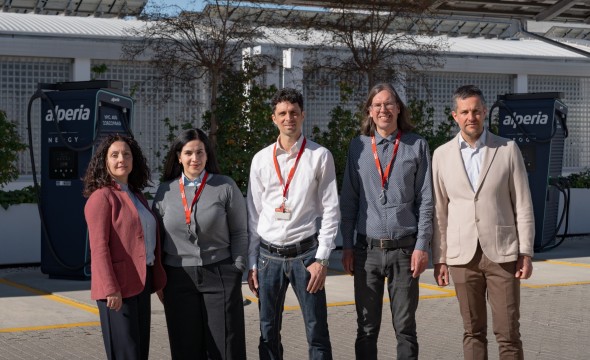
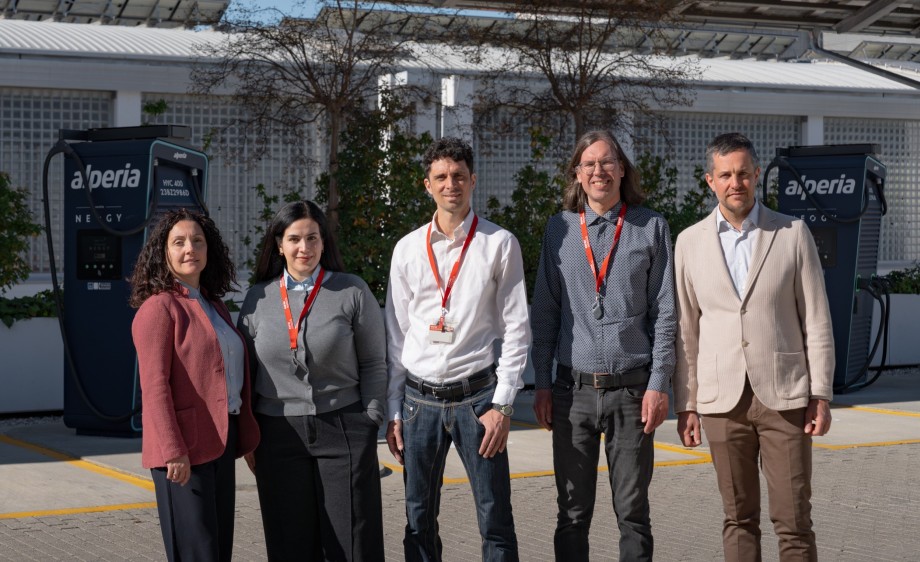
Matteo Giacomo Prina, scientific coordinator of the project at Eurac Research, identifies three critical and closely interconnected challenges: ensuring comprehensive charging coverage across the region, the somewhat higher acquisition costs of electric vehicles, and their driving range. "In South Tyrol, with its valleys and differences in altitude, these factors become even more pronounced. We need an infrastructure that serves the entire territory – not just the main urban centres." According to Prina, there has so far been no systematic approach that incorporates real-world usage data to optimise charging locations in both economic and user-focused terms. AIchargeMAP has been developed to fill precisely this gap.
Combining dialogue and data
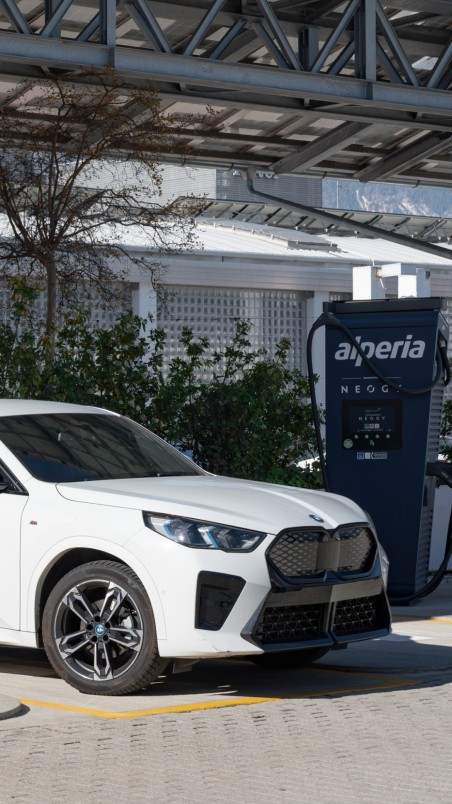
The project is based on a partnership between Eurac Research and NEOGY. The company contributes its practical expertise, ensuring that the research reflects real market needs."In a rapidly evolving sector such as e-mobility, ongoing dialogue between model development and practical application is essential," says Prina. A cornerstone of the project is the real-world data provided by the NEOGY charging network. The models draw on a wide range of information, including traffic flows, points of interest, historical usage data from existing charging stations, regional socio-economic characteristics, and forecasts of electric vehicle adoption. The aim is to strike the right balance between user convenience and commercial viability for charging network operators.
From analysis to strategic planning
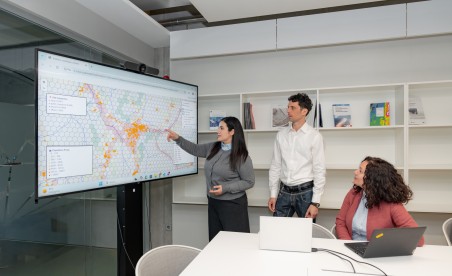
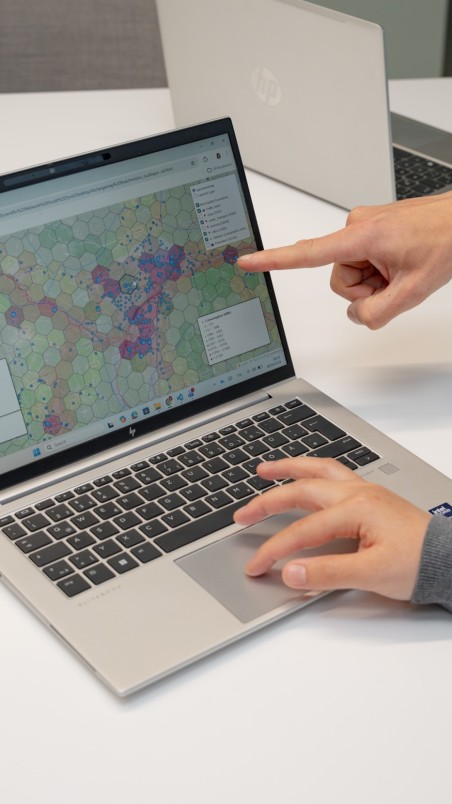
In a market as dynamic and competitive as this one, however, accurately forecasting future demand remains a significant challenge – which makes a reliable forecasting tool all the more valuable. The intended outcome of the project is therefore a user-friendly platform featuring an interactive map, allowing operators to explore different scenarios, compare potential charging locations, and estimate likely utilisation and profitability.
Ultimately, the project aims to deliver both a validated forecasting model and an operational decision-support tool that assists NEOGY with investment decisions and the strategic development of its charging network. In the long term, AIchargeMAP is expected to accelerate the adoption of electric mobility across South Tyrol, contributing to a more sustainable, accessible and attractive region.
AIchargeMAP is one of ten projects selected for the third edition of Fusion Grant, an initiative of the Stiftung Südtiroler Sparkasse (the South Tyrolean Savings Bank Foundation) in cooperation with NOI Techpark, the South Tyrolean Business Association and the business network Rete Economia-Wirtschaftsnetz. It actively promotes collaboration between South Tyrolean companies and research institutions, and offers researchers under the age of 40 a pathway into practice-oriented projects. In its current third edition, ten projects were selected, funded by €500,000 in foundation grants and more than €100,000 in contributions from participating companies. The programme’s success speaks for itself: across three rounds, 29 projects have already been realised in partnership with 35 South Tyrolean companies and 36 researchers, at a combined total value of over €1.8 million.