Published
18.05.2026
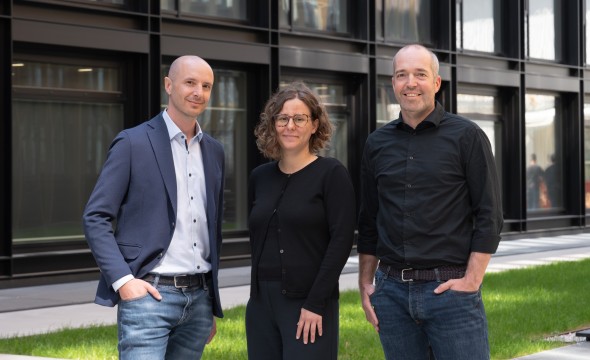
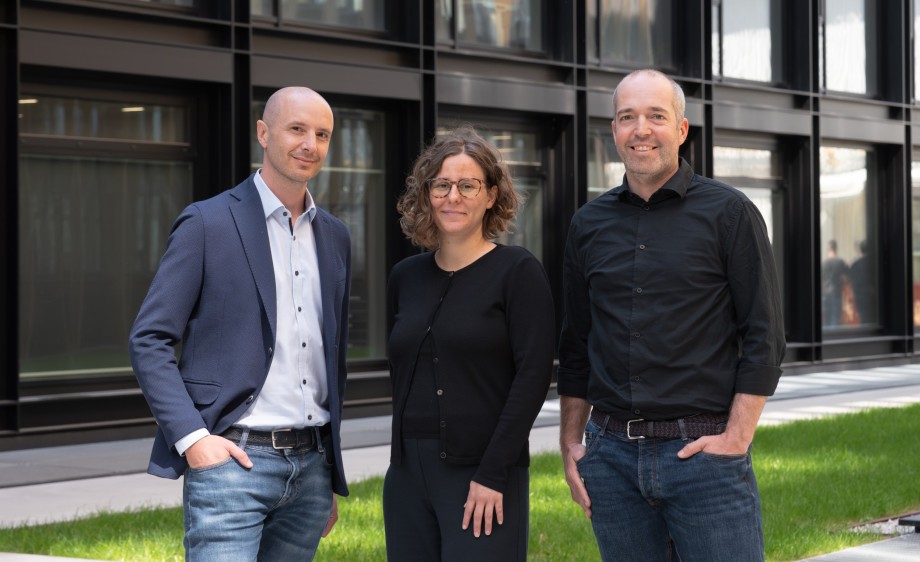
Building materials and furnishings are the primary sources of volatile organic compounds – VOCs – in residential buildings. In an era of increasingly airtight new builds and renovated homes, analysing these substances has never been more important. “The very measures that benefit energy efficiency can, paradoxically, reduce natural air exchange”, explains Eurac Research scientist Francesco Babich, referring to the principle "build tight, ventilate right". Fellow researcher Chiara Nomellini cites another motivation for the study: the region's long-standing tradition of timber processing. "Wood is inherently a sustainable material. However, certain processing methods can turn it into a source of VOCs," she notes. Lower-cost furniture, typically bound with adhesives, can occasionally release substances such as formaldehyde – a compound linked to eye irritation, asthma and similar complaints, and also classified as a potential carcinogen.
Not all VOCs are harmful to human health. Babich emphasises: "Even substances that give cause for concern do not pose an immediate danger." The focus, he clarifies, is on long-term effects. It is precisely this concern that drives ECO-AIR, a joint project between Eurac Research and Wolf System, which aims to assess the emissions produced by the company's manufactured materials and examine their potential long-term health implications.
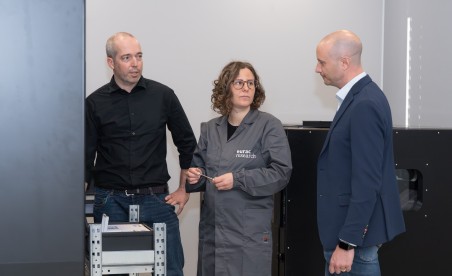
The Eurac Research laboratory, home to the research team of Babich and Nomellini, specialises in indoor air quality and the assessment of VOC emissions. ECO-AIR grew directly from the collaboration between this team and the company Wolf System – a partnership Nomellini welcomes warmly. Wolf System brings its expertise in the planning and construction of prefabricated homes, while her team contributes the scientific knowledge. "It is not only important to monitor the quality of materials, but also to understand what happens inside a completed, lived-in home," says Nomellini. The project's aim is therefore to combine these two perspectives and investigate overall air quality in the prefabricated homes the company builds. Francesco Babich is confident that these issues will only grow in relevance: "Through ECO-AIR, the company can position itself in the market and demonstrate its commitment to optimising its materials."
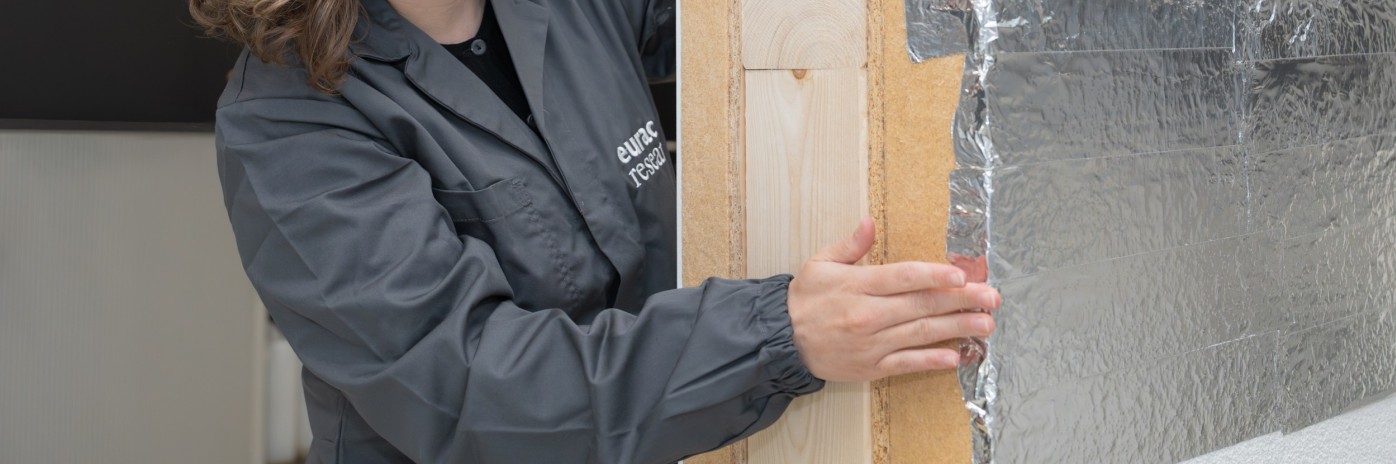
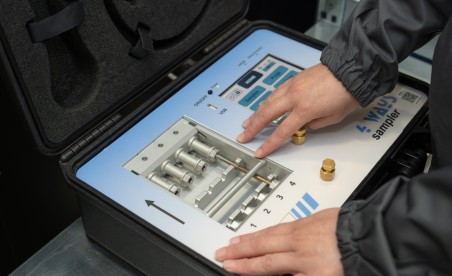
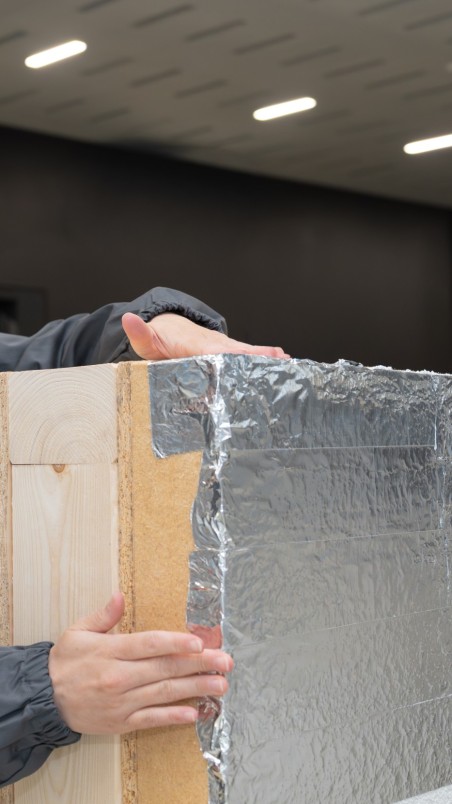
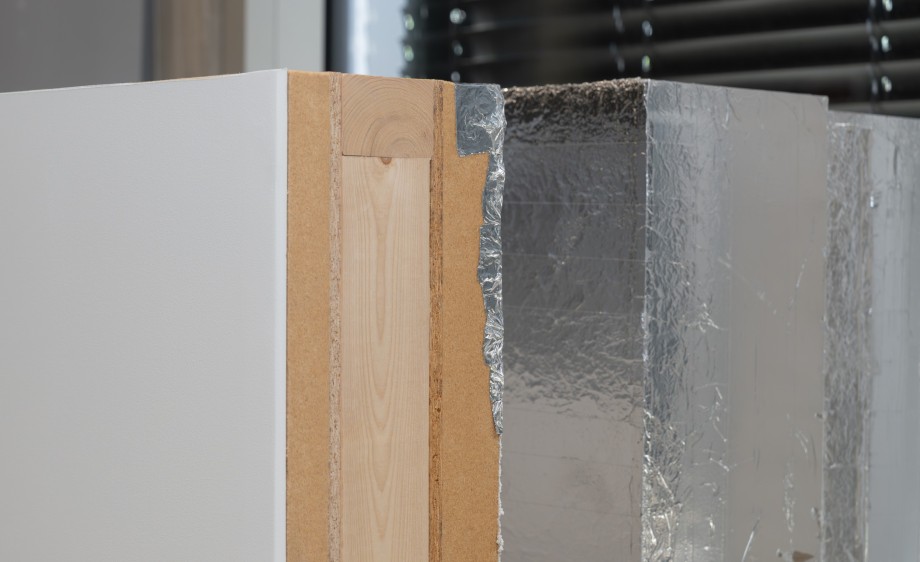
A total of six different materials from Wolf System were tested within the ECO-AIR framework, including samples from wall sections, roof elements and ceiling components. "Our laboratory is equipped with airtight, cube-shaped climate chambers in which we can replicate the environmental conditions typically found in a home," Chiara Nomellini explains. A material sample is placed inside a chamber, and the air is then analysed at regular intervals. Using chemical analysis techniques, the researchers are able to determine which molecules are released by the materials and at what concentration. That said, the most effective approach combines laboratory analysis with measurement campaigns in real buildings. While laboratory conditions are tightly controlled, materials in everyday use are subject to a far wider range of influences. "This allows us to observe how values change over time," Babich explains, adding that the behaviour of the residents themselves also plays a significant role. Overall, the results to date have been encouraging, with no particularly concerning concentrations or compounds identified.
"Collaboration with a research centre can always give rise to new ideas and products. Through initiatives such as Fusion Grant, companies can develop solutions long before problems arise," Francesco Babich concludes. A continuation of the partnership beyond the one-year Fusion Grant project is certainly conceivable. After all, we all stand to benefit when the buildings in which we live and work provide healthier environments.
ECO-AIR is one of ten projects selected for the third edition of Fusion Grant, an initiative of the Stiftung Südtiroler Sparkasse (the South Tyrolean Savings Bank Foundation) in cooperation with NOI Techpark, Südtiroler Wirtschaftsring (the South Tyrolean Business Association) and the business network Rete Economia-Wirtschaftsnetz. The initiative actively promotes collaboration between South Tyrolean companies and research institutions, and offers researchers under the age of 40 a pathway into practice-oriented projects.