Published
02.10.2026
Hydrogen is widely regarded as a key technology in energy transition – both as a fuel and as a means of storing renewable energy. One of its main advantages is that it can be transported through existing gas infrastructure. This, however, requires ensuring that pipelines originally designed for methane transport are also suitable for carrying hydrogen. Therein lies the challenge, as today's methane distribution network already exhibits leaks – representing both a safety risk and climate concern, given that hydrogen and methane can escape and spread with ease. New EU regulations now require companies throughout the supply chain to detect emissions below 100 parts per million (ppm). While commercial sensors already exist to monitor methane, reliably detecting hydrogen at such low concentrations remains significantly more difficult.
Pooling expertise
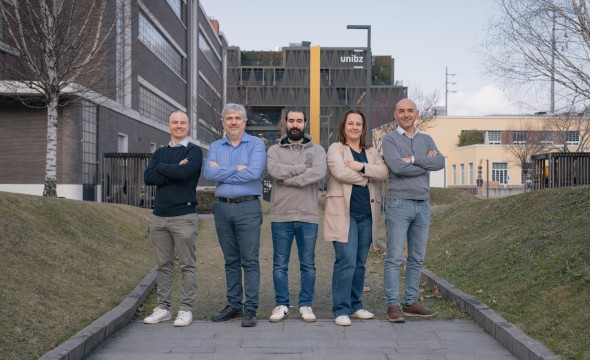
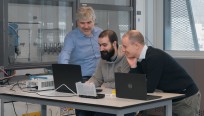
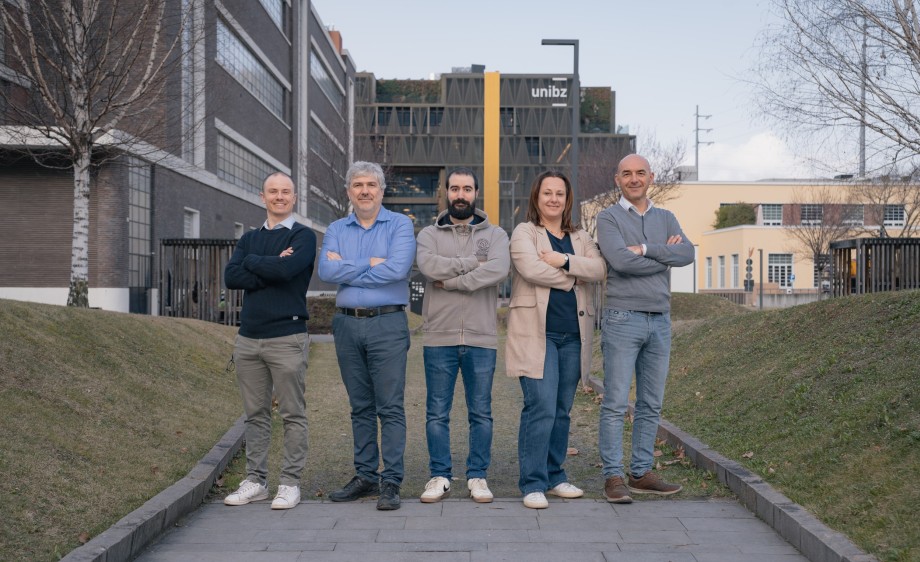
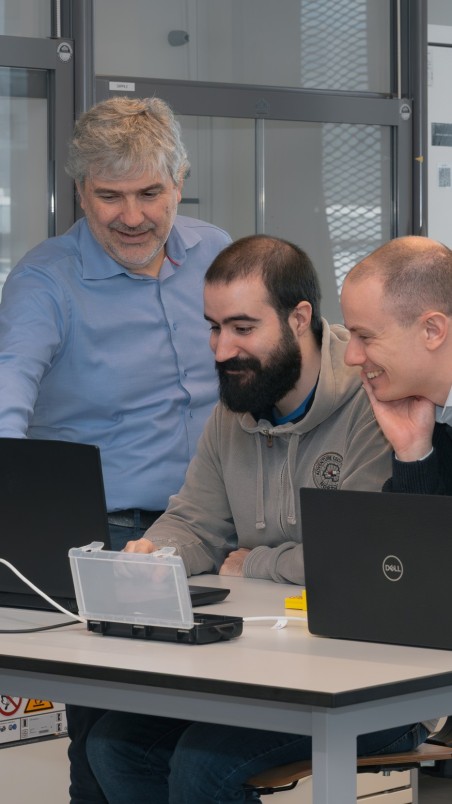
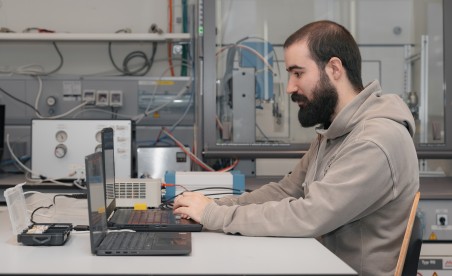
SENSIT Technologies, an international company that has been developing and manufacturing gas sensors since 1980, the Free University of Bozen-Bolzano, Eurac Research and the Bruno Kessler Foundation identified Fusion Grant as an opportunity to join forces and address this complex challenge by combining their respective areas of expertise. To this end, they brought on board early-career researcher Marco Magoni, who is devoting a full year to the SENSE project. Their shared objective is to develop a cutting-edge monitoring system designed to sustainably reduce emissions. In addition to the research groups led by Luisa Petti and Roberto Monsorno at NOI, SENSIT Technologies is also collaborating with the team coordinated by Andrea Gaiardo at the Bruno Kessler Foundation.
Small concentrations, high complexity
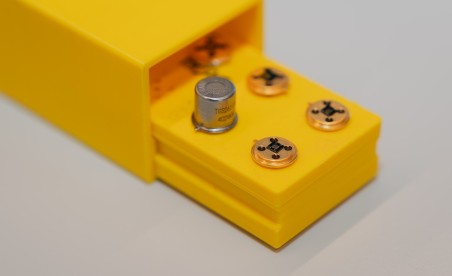
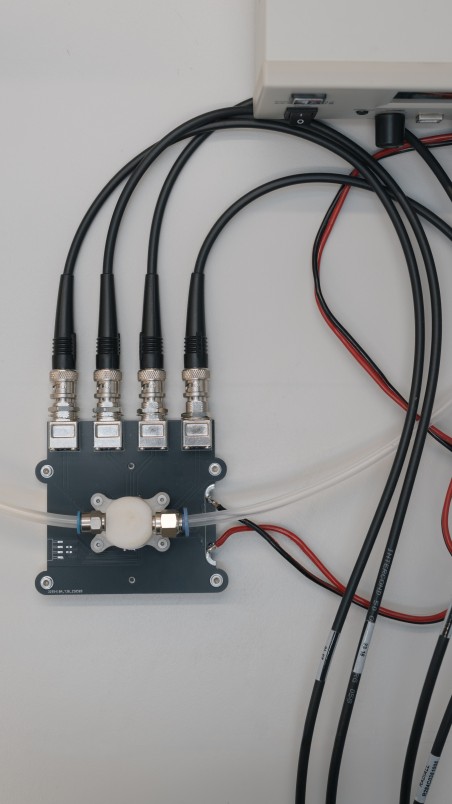
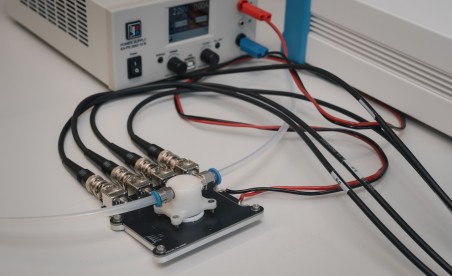
The project focuses primarily on the measurement of hydrogen – an extraordinarily difficult undertaking, given the very low concentrations of hydrogen required by EU regulation. To date, only a small number of sensors are capable of meeting this requirement. The issue, as Luisa Petti, professor at the Free University of Bozen-Bolzano and the project's scientific coordinator, points out, lies in the materials used in existing sensors: they essentially respond to all gases, making differentiation essential. "When a hydrogen-methane mixture is present, sensors are not able to distinguish hydrogen from methane. In the event of a leak, all you detect is a general shift in gas concentration," Petti explains. "The main focus of the project therefore involves measuring both hydrogen and methane at extremely low concentrations." This is to be achieved through two complementary approaches: the use of innovative sensor materials, and the application of data analysis techniques.
Large volumes of data
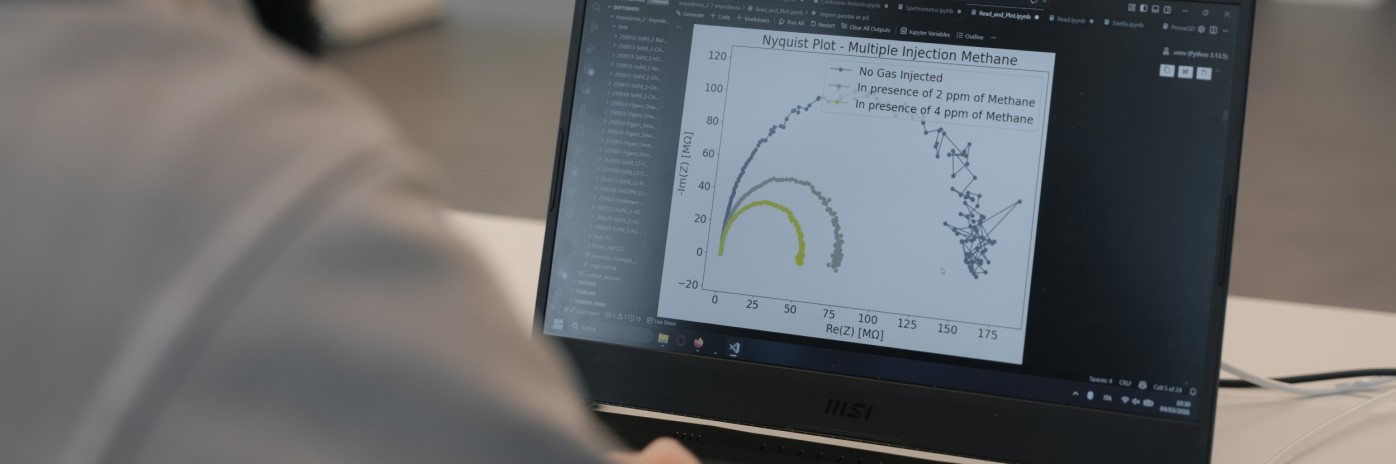
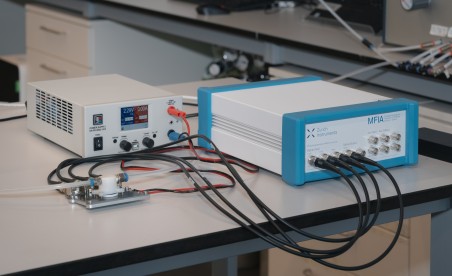
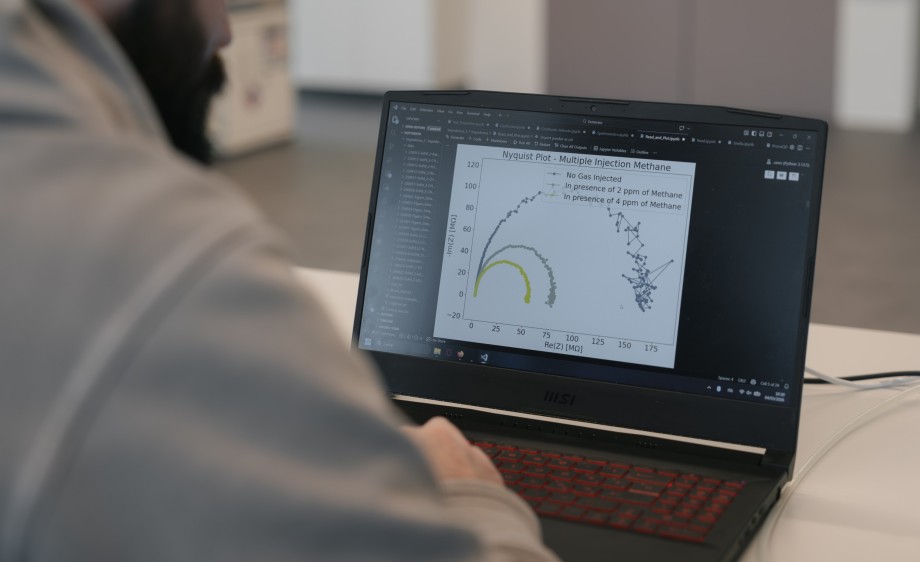
One promising solution lies in impedance spectroscopy: by evaluating the same sensor signal across different frequencies, the characteristic responses of hydrogen and methane can be clearly distinguished.
Alongside innovative materials, the system therefore also pursues selectivity at the level of data measurement and analysis. Given the sheer volume of data involved, the project coordinator points to the use of machine learning: "It is not about simple numerical values, but a complex mathematical data type," Petti explains. "The statistically most significant differences then have to be extracted from that data." Early results already indicate that it is possible to measure hydrogen and differentiate it from methane. Luisa Petti is confident that impedance measurement will ultimately deliver the selectivity required. Should the system subsequently be brought into practical application, the one-year research project would evolve into a concrete development project, with plans for gradual expansion.
SENSE is one of ten projects selected for the third edition of Fusion Grant, an initiative of the Stiftung Südtiroler Sparkasse (the South Tyrolean Savings Bank Foundation) in cooperation with NOI Techpark, the South Tyrolean Business Association and the business network Rete Economia-Wirtschaftsnetz. The initiative actively promotes collaboration between South Tyrolean companies and research institutions, and offers researchers under the age of 40 a pathway into practice-oriented projects.