Published
19.04.2024
These are the goals of the BrennerLEC project, which is being promoted by Autostrade del Brennero in collaboration with environmental agencies from Bolzano and Trento, the University of Trento, the South Tyrolean company CISMA, and NOI Techpark.
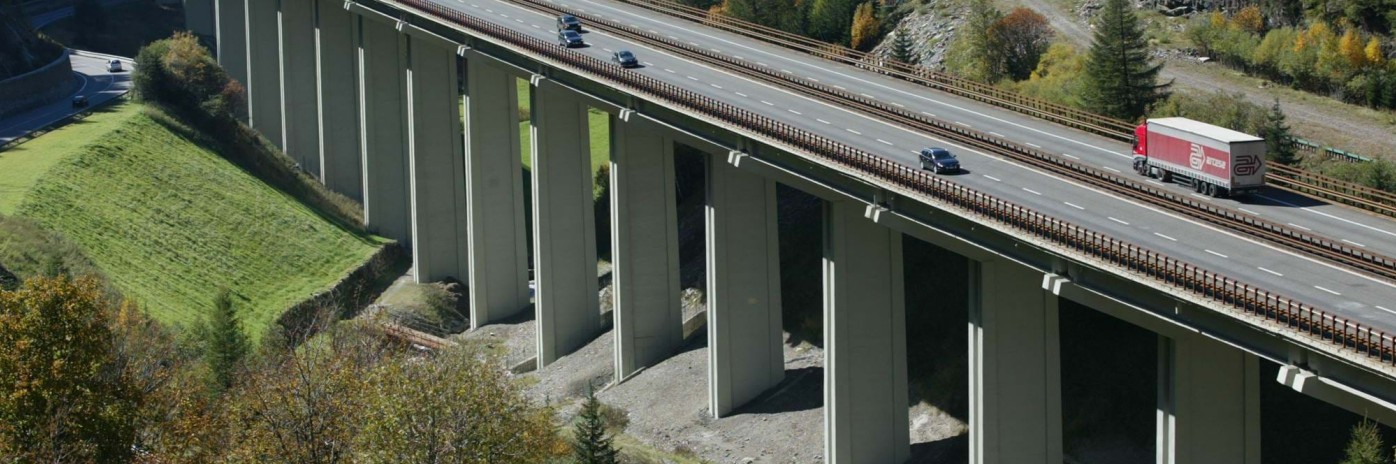
The project partners established a low emission corridor (LEC) along a section of the A22 motorway for testing various traffic control measures. These included a combination of dynamic speed limits and dynamic lane activation to manage traffic flow during periods of high congestion, as well as data-driven road information to control traffic flow around major urban areas. The Open Data Hub played a key role in this.
Sensors, data and algorithms
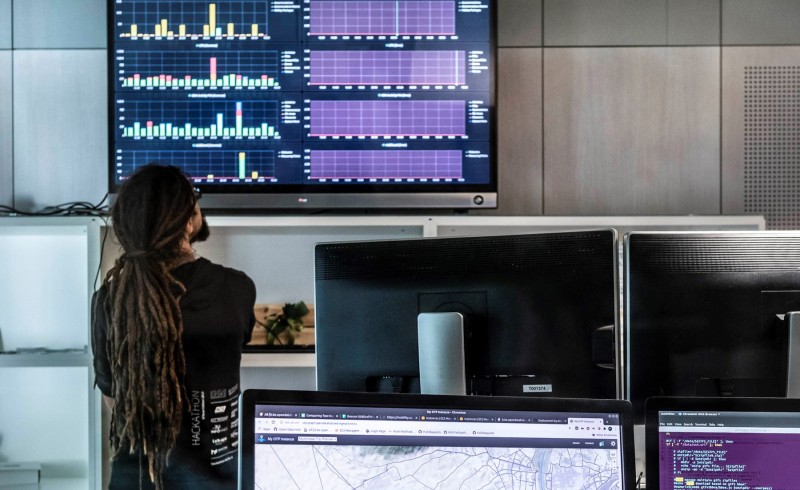
At the Open Data Hub, we collect large amounts of data on public transport, tourism, traffic, mobility, and meteorological conditions. We centralise this data, make it accessible, and provide it to companies and institutions. For the BrennerLEC project, we provided environmental data such as nitrogen dioxide (NO₂) concentration in the air, as well as real-world traffic data. This data was collected using various sensors along the motorway. In collaboration with CISMA and the University of Trento, we developed algorithms and AI integration to create simple proposals for activating dynamic speed control measures. These recommendations were sent directly to the A22 Traffic Management Centre and then transmitted in real time to drivers on the A22 motorway via existing information boards. The system’s main advantage is that it ensures speed limits are only activated in situations where traffic and air quality are genuinely critical, thus maximising the effectiveness of these measures.
The results of the project are persuasive. From an environmental perspective, reducing the speed of light vehicles by an average of 15 km/h was shown to lead to a 10% reduction in NO₂ air pollution and an 8% reduction in CO₂. At the same time, the measures resulted in shorter average journey times (by around 10%) and a significantly improved road safety during periods of very heavy traffic. Consequently, there were almost no accidents when dynamic speed limits were activated. This alone is reason enough to extend the partnership beyond the BrennerLEC project, co-funded by the EU. “With our Open Data Hub digital platform, integrating and using all the necessary data has been made much easier,” says Patrick Ohnewein, Head of Tech Transfer Digital. “We’re pleased the results were so significant that our partners have continued working together even after the end of the R&D project, so these smart traffic control measures can be extended along the entire Brennero motorway.”
This is just one of many examples of how data from our Open Data Hub can be used to develop innovative and sustainable solutions. Want to know more? Visit opendatahub.com.