Going back to the past to discover the future of food

“We are what we eat,” said the German philosopher Ludwig Feuerbach, who firmly believed that a population’s longevity came from what they ate. This concept is now central to many scientific disciplines forms the basis of one of our technological sectors: Food and Health. Research, development and technology transfer in this area build bridges between laboratories and companies, and after initially focusing specifically on food, the scope has now been widened to include the health sector too.
“The topic of healthy eating is everywhere. People are attaching increasing importance to it and to understanding how food can affect well-being and health. Through our work, we aim to provide answers to these questions, and together with biomedical methods, we seek to enhance the understanding of the relationship between nutrition and health, making this knowledge accessible to companies. For this reason, our Food and Health technology sector focuses on raw materials and by-products, optimal processing and fermentation, and omics and precision health. Our strategy therefore covers the entire value cycle, from raw materials and processes to the effect on the human body, and draws on the expertise and laboratories of NOI’s partners,” explains Matthias Fill, Head of Tech Transfer Food and Health.
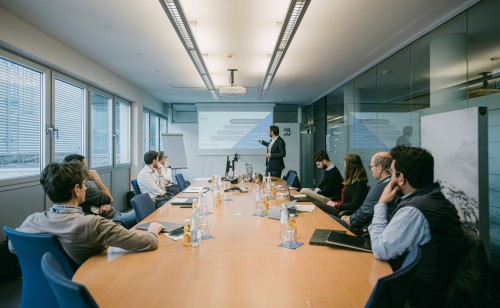
One of the first steps in this strategy was the Human Microbiome Symposium, took place on 24 May 2023 and brought together the main project partners and 100 attendees. “We wanted to discuss the human microbiome, because it plays a central role in human health. This involves microorganisms, their genetic makeup and environmental interactions. To give you an idea of how many of these there are in your body, consider that they outnumber your cells. Diet, microorganisms and other factors interact inside our bodies and impact our health. At NOI Techpark, we study this interaction from various perspectives to protect it. For instance, the food we consume affects microorganisms, which in turn impacts digestion and consequently our health. The human microbiome is such a vast topic that it can only be researched through interdisciplinary cooperation between different partners. NOI has extensive expertise in this field and is collaborating with national and international experts to develop future solutions. “This symposium is the starting point,” says Sandra Fleischmann, Subject Matter Expert for Optimal Processing and Fermentation at NOI Techpark.

After all, as she points out, events like the Symposium aim to connect businesses and researchers so they can develop innovative collaborations.
The raw materials and by-products division is founded on the belief that high-quality ingredients are essential for creating high-quality food.
Attention is mainly focused on holistic processing of primary and secondary materials. Where this is not possible, bioactive substances are extracted, analysed and stabilised from by-products, enabling us to develop new, high-quality product formulations. Meanwhile, Optimal Processing and Fermentation explores how primary and secondary materials and ingredients can be preserved and processed. The focus is therefore on processes that activate the organoleptic and health-boosting properties of foods.
This starts with fermentation, an ancient preservation method that is becoming increasingly important for the modern food industry. The International Centre on Food Fermentations, soon to open at NOI Techpark, illustrates this, providing a place where companies can collaborate with the Micro4Food platform on long-term projects.
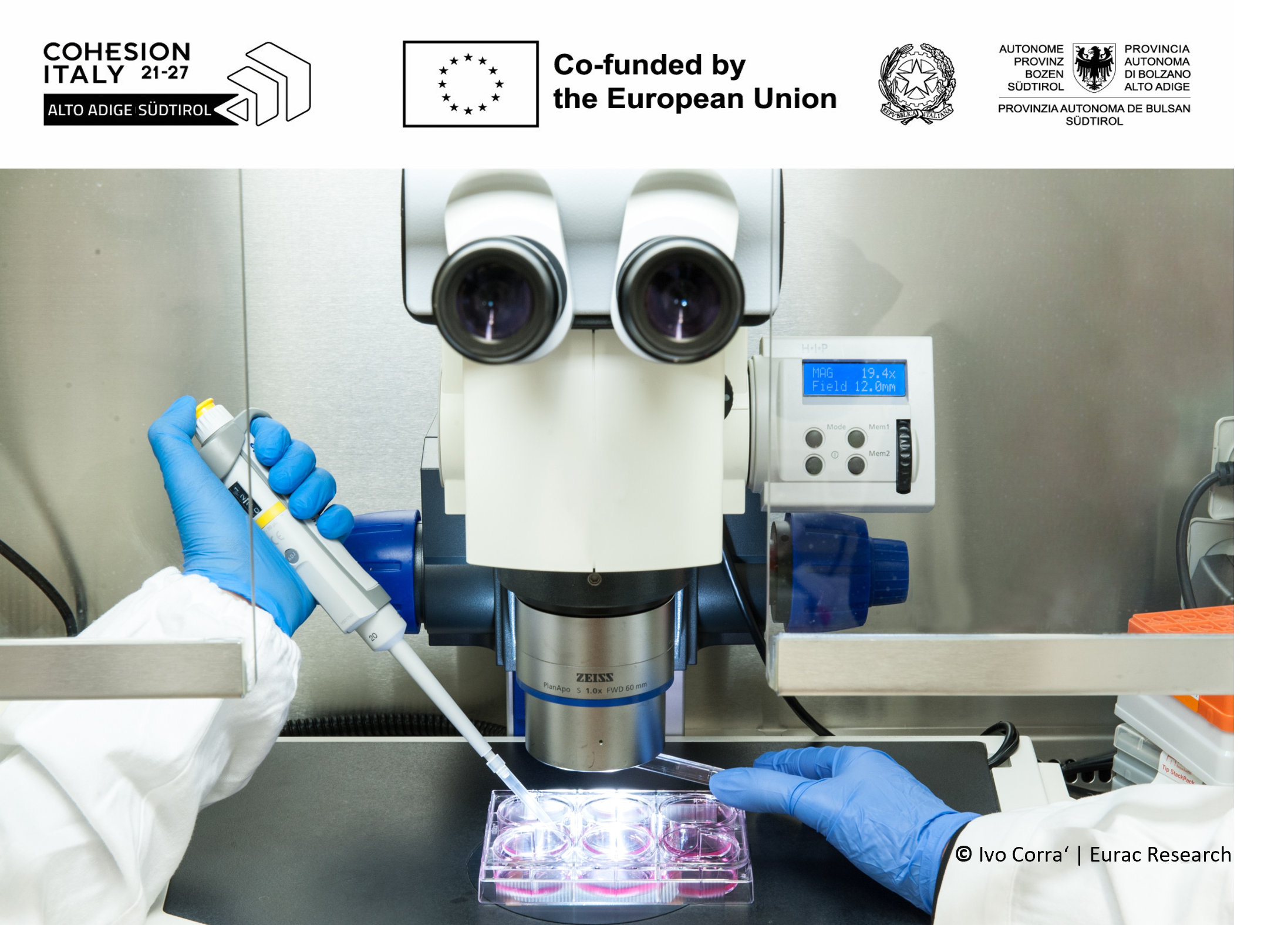
All of this goes hand in hand with our Omics and Precision Health area. This area focuses on biotechnological methods, which are becoming increasingly important in the food sector, as well as taking a holistic approach to health. While a healthy diet can improve our health, it’s only one piece of the puzzle. Drawing on the core competencies of the Institute of Biomedicine (Eurac Research), we will develop services and solutions for what is known as “precision health”. These technologies will give us a better understanding of the impact of food on human health and, at the same time, form the basis of new activities and business ideas in the field of disease prevention.

Researchers from Eurac Research and unibz (NOI partners) also presented projects and shared their reflections on food and health. Frank Maixner from the Institute for Mummy Studies (Eurac Research) explains: “Mummies are true snapshots of antiquity that can help us to better understand the present day. Here in Bolzano we have Ötzi, but there are many others around the world from different eras. By studying these types of remains, we can learn about the history of different populations and understand the development of diseases and preservation methods.” This is also essential for food and health innovation.
“We, on the other hand, study how genetic makeup, living environment and lifestyle affect the onset and development of diseases and human health,” adds Christian Fuchsberger from the Institute for Biomedicine (Eurac Research). “In particular, we conducted a genetic study in Val Venosta which clearly demonstrated the huge impact of the microbiome on human health. Further, more in-depth research revealed changes in the microbiome depending on various dietary habits (omnivorous, vegetarian or vegan) as well as alcohol and tobacco consumption.”

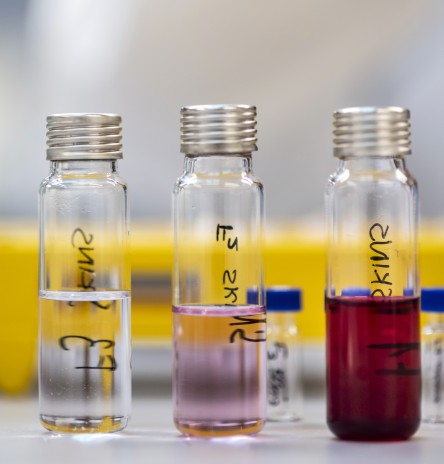
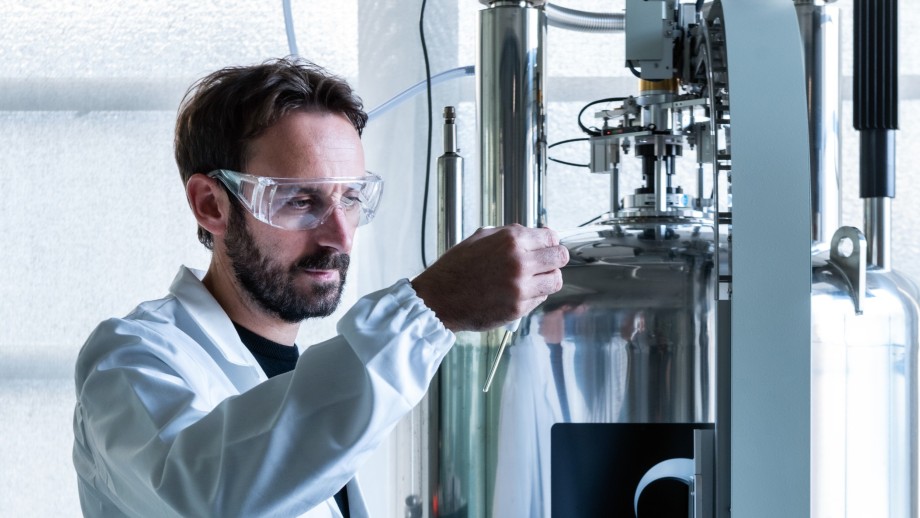
Olga Nikoloudaki, a researcher on Professor Marco Gobbetti’s team at the Free University of Bolzano, highlighted how diet and probiotics influence the composition and function of intestinal microbiota. These studies were conducted using SHIME (Simulator of the Human Intestinal Microbial Ecosystem), a device that simulates the human digestive process. It is the only device of its kind in Italy and is installed at the Micro4Food laboratory platform at NOI Techpark, which is part of the Free University of Bolzano. The Micro4Food platform comprises six complementary laboratories and three pilot plants that study food transformation and harness the benefits of fermentation to improve the nutritional, functional and organoleptic properties of food, as well as its shelf life. This is all achieved through new processes and products, as well as the use of waste and by-products from the food chain. “SHIME simulates human gastrointestinal digestion under controlled in vitro conditions. This means we can study the effect of food and diet on the development of gut microbiota and its metabolites,” Nikoloudaki clarifies. “SHIME comprises five bioreactors that simulate the various sections of the digestive system: From the stomach to the small intestine and the three regions of the colon. We use a computerised panel to control the temperature and other parameters of the digestive process. This allows us to understand how the microbial community and gut microbiota develop, and how they are altered by particular stimuli, such as food or specific nutrients.”
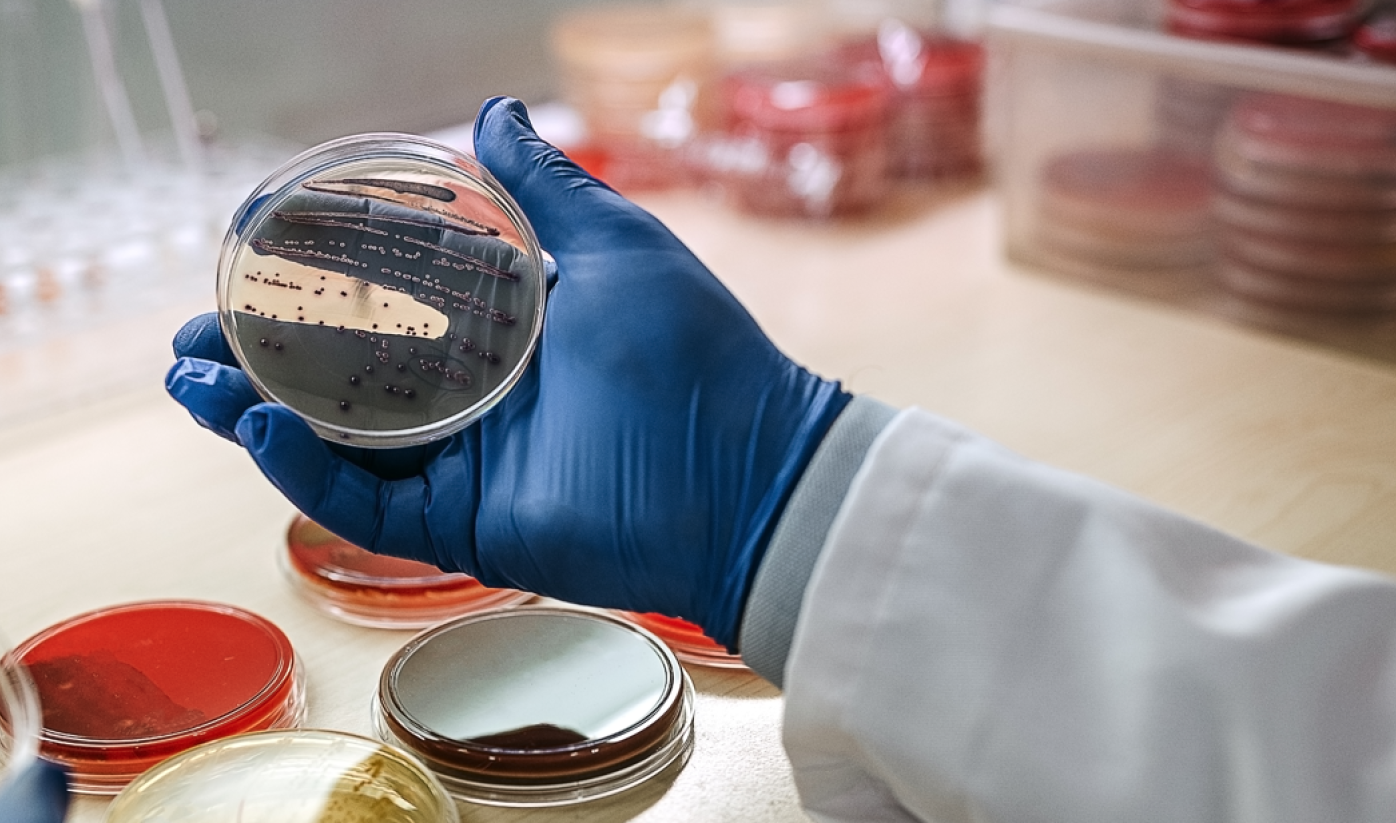
So, what does all this tell us about food? “The system allows us to confirm how a particular food is digested and observe its effect on bacterial composition by identifying the microorganisms present,” the researcher explains. “This process requires several steps. First, the sample is extracted from the microbial cells, then amplified. This creates numerous copies of the DNA segments we’re interested in. At this point, the DNA is sequenced and compared with sequences in the database.”
Now more than ever, research and innovation can be valuable partners in promoting human well-being. Early history also plays a key part in this.